
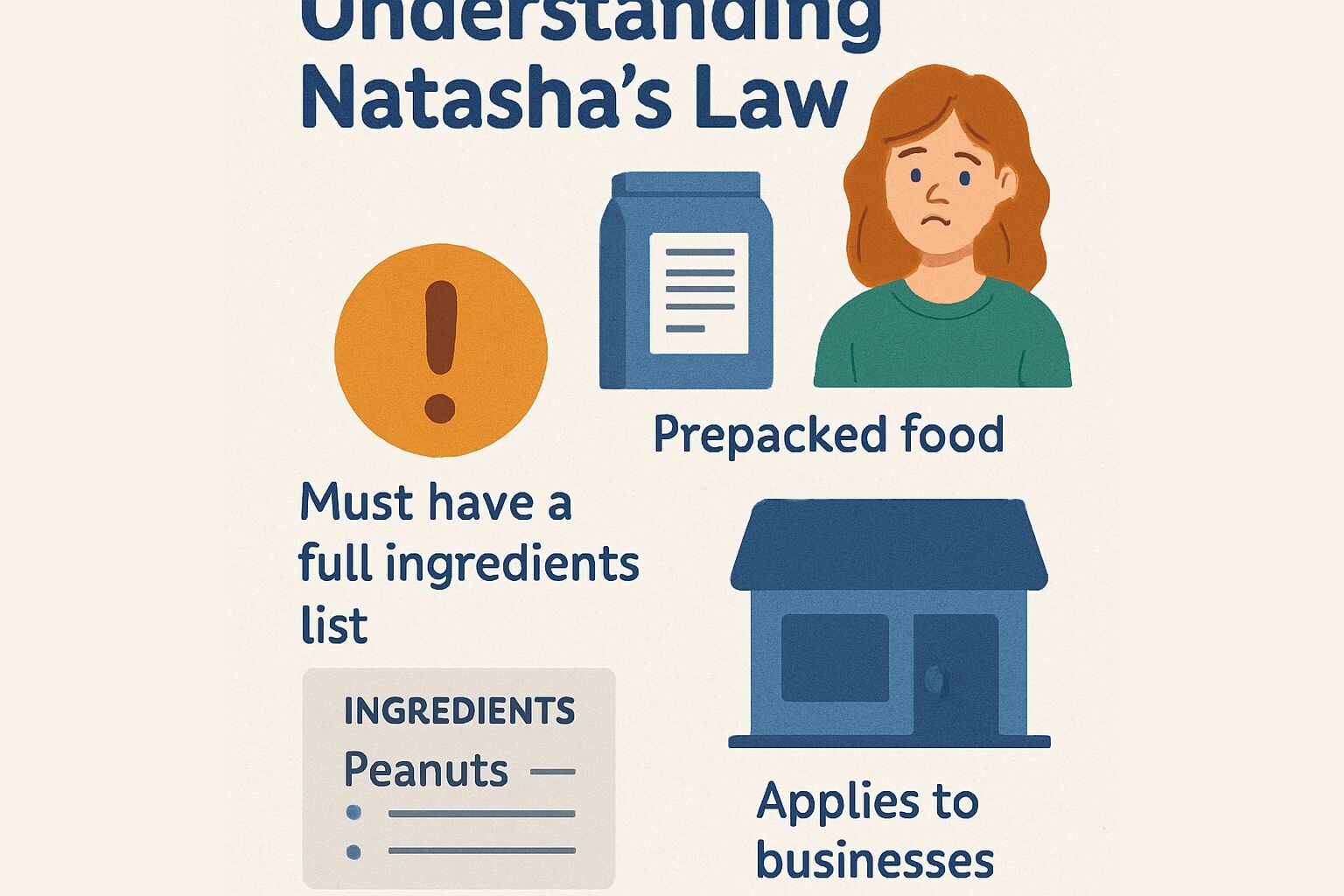
Navigating the complexities of food safety is crucial for office facility managers. Natasha’s Law has introduced new challenges and opportunities in this realm. This legislation mandates clear allergen labelling on Prepacked for Direct Sale (PPDS) foods. It aims to protect consumers with allergies and enhance food safety standards.
Micro markets and fresh food vending must adapt to these changes. Compliance with Natasha’s Law is not just a legal obligation. It is a commitment to employee safety and workplace satisfaction. Facility managers play a pivotal role in this transition.
Understanding the specifics of Natasha’s Law is essential. It involves more than just labelling; it requires a comprehensive approach to food safety. This includes training staff and leveraging technology for accurate allergen management. By embracing these changes, facility managers can create a safer, more inclusive workplace.
Eco-friendly and diverse vending options can further enhance employee satisfaction. They cater to varied dietary needs while supporting sustainability goals. This article will guide you through the steps to achieve compliance and improve workplace morale.
Understanding Natasha’s Law and Its Origins
Natasha’s Law was born from tragedy but serves a noble purpose. It was introduced following the 2016 death of Natasha Ednan-Laperouse. Natasha, who suffered from a severe food allergy, died after consuming a baguette that lacked proper allergen labelling. Her passing underscored the need for clearer food safety standards.
This legislation requires precise allergen labelling for Prepacked for Direct Sale (PPDS) foods. It aims to protect consumers and ensure they make informed decisions about their food choices. Compliance with Natasha’s Law is now essential for any business involved in the food supply chain.
The law specifically targets businesses that prepare and pack food for direct sale. Micro markets and vending operators are directly impacted, given their growing role in providing fresh food options. The goal is to enhance transparency in food labelling, thereby reducing health risks for consumers.
Natasha’s Law has prompted a significant shift towards greater accountability. It emphasises the necessity of clear communication regarding food content. The law’s implementation reflects a broader movement towards improved food safety and consumer protection.
Key Aspects of Natasha’s Law:
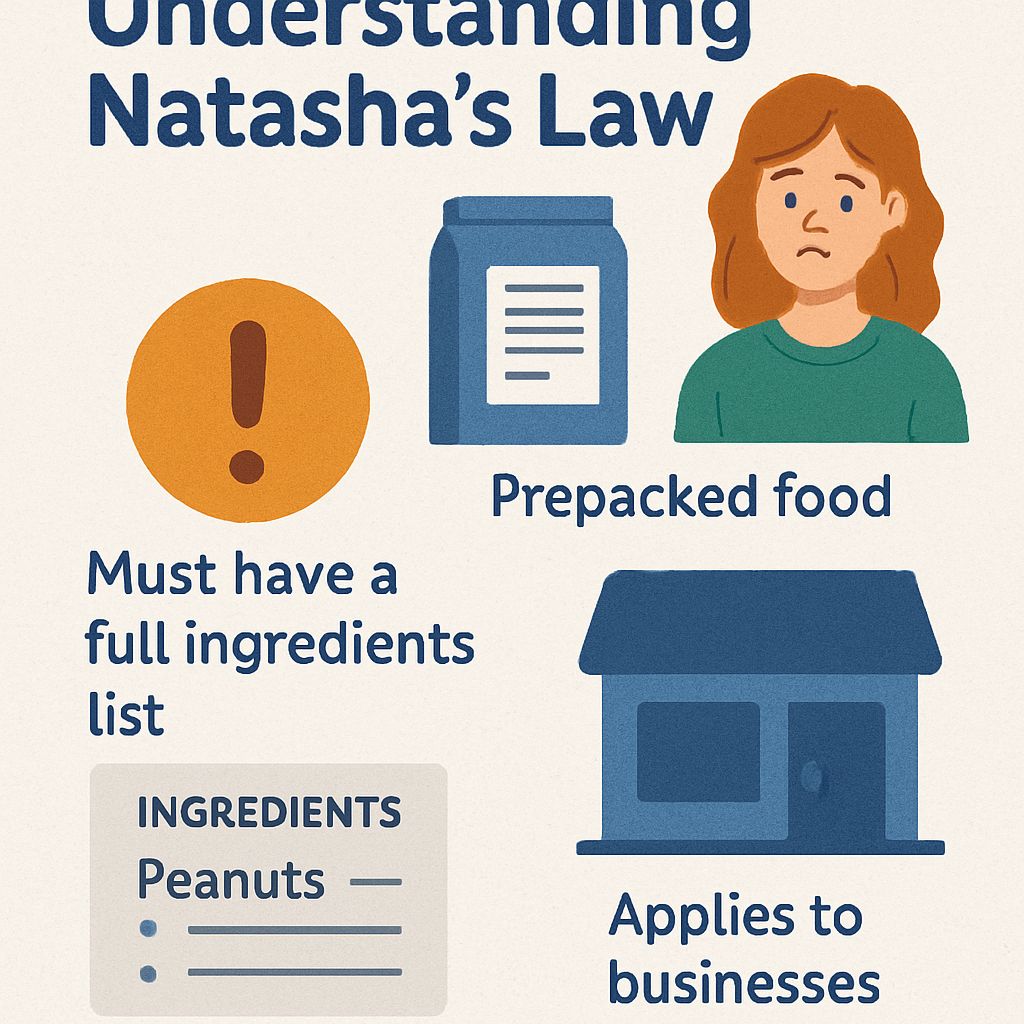
- Applies to PPDS Foods: Foods packaged on-site before sale.
- Mandatory Allergen Labelling: Highlights 14 allergens.
- Increases Accountability: Ensures businesses label food accurately.
What Are PPDS Foods and Why Do They Matter in Micro Markets?
PPDS foods, or Prepacked for Direct Sale foods, are a critical focus under Natasha’s Law.
These are food items packaged at the same premises from which they’re sold, remaining unaltered until opened by the consumer. This category typically includes sandwiches, salads, and some bakery items, commonly found in micro markets.
Micro markets, with their range of fresh, on-the-go food offerings, often feature PPDS items. Given their nature, these foods require special attention to allergen labelling to ensure consumer safety. Failure to properly label these items could pose significant risks to individuals with allergies.
The relevance of PPDS foods in micro markets stems from their convenience and appeal to employees. As these markets rise in popularity, understanding PPDS classification helps facility managers comply with Natasha’s Law. Properly managing and labelling PPDS foods confirms commitment to food safety.
Characteristics of PPDS Foods:
- Packaged on-site: Sold at the same location where packaged.
- Labelling Obligation: Requires allergen transparency.
markdown
Common Examples: Sandwiches, salads, baked goods.