
Navigating the landscape of vending solutions in England is evolving. By 2025, HFSS rules will reshape how we approach vending. These regulations focus on reducing high fat, sugar, and salt content in snacks.
For office facilities managers, this means a shift in strategy. Compliance with HFSS rules is not just a legal requirement. It’s an opportunity to enhance workplace satisfaction and well-being.
Understanding HFSS compliance is crucial. It involves selecting products that meet specific nutritional criteria. This ensures that vending options align with health-focused goals.
Healthy vending is more than a trend. It’s a response to growing consumer demand for nutritious snacks. Low sugar snacks are a key component of this shift.
Energy-efficient vending machines also play a role. They support sustainability goals and reduce operational costs. This aligns with broader corporate responsibility initiatives.
Collaboration with vending suppliers is essential. It ensures access to a wide range of compliant products. Regular updates to vending inventory are necessary for ongoing compliance.
Employee engagement is vital. Promoting healthy choices can increase acceptance and usage. This contributes to a positive workplace culture.
Facility managers must stay informed. Understanding HFSS regulations helps in making strategic decisions. This article will guide you through building a compliant vending range.
What Are HFSS Rules? Understanding the Basics
HFSS stands for High in Fat, Sugar, and Salt. It’s a public health initiative aimed at promoting healthier eating. The UK government introduced these rules to tackle obesity and related health issues.
Understanding HFSS rules is key. The regulations restrict the promotion and placement of unhealthy foods. This includes anything high in fat, sugar, or salt.
Why these specific components? Fat, sugar, and salt in large quantities contribute to health problems. These include obesity, diabetes, and heart disease. By targeting these, the government hopes to improve public health.
The rules apply to food and drink consumed out of home. They affect supermarkets, restaurants, and vending machines. For office vending, this means a shift in how products are selected and displayed.
Products are assessed using a nutrient profiling model. This model scores foods based on their nutritional content. A low score indicates a healthier option. Understanding this model helps facility managers choose compliant products.
The main goal is reducing the accessibility of unhealthy snacks. This encourages the consumption of healthier alternatives. It’s not just about compliance; it’s about promoting healthier habits.
To summarise the HFSS basics:
- Purpose: Improve public health by limiting unhealthy food options.
- Components: Focuses on high fat, sugar, and salt contents.
- Application: Affects all places where food is sold, including vending.
- Assessment: Uses a nutrient profiling model to score food.
Facility managers play a crucial role in this transition. They must ensure vending options align with HFSS criteria. This requires staying informed and proactive. By embracing these rules, managers can foster a healthier workplace environment.
The Evolution of HFSS Regulations in the UK
The evolution of HFSS regulations reflects the growing focus on public health. Initially, efforts aimed at voluntary industry reform saw limited success. Public health advocates called for more decisive action.
In response, the UK government developed formal regulations.
These rules aimed to combat the rising tide of diet-related health issues. Obesity, diabetes, and heart conditions were among the primary targets.
Since their introduction, HFSS regulations have undergone various amendments. Each iteration aimed at closing loopholes and strengthening compliance. For example, restrictions on promotions and advertisements became more rigorous.
In the past, HFSS rules primarily targeted large supermarkets. However, recent updates expanded their scope. Today, they also encompass restaurants and vending machines. This broader coverage ensures unhealthy foods are less accessible across all settings.
Vending operators, now included, must adapt. This involves reassessing product offerings, focusing on healthier options. It’s not just about adjusting inventory but also modifying marketing strategies within the machines.
Several key milestones in HFSS regulations include:
- Early Initiatives: Early 2010s voluntary guidelines.
- Formal Regulations: Mid-2010s implementation of mandatory rules.
- Expansion of Scope: Early 2020s inclusivity of all food-selling outlets.
- Ongoing Revisions: Continuous updates to refine and enforce compliance.
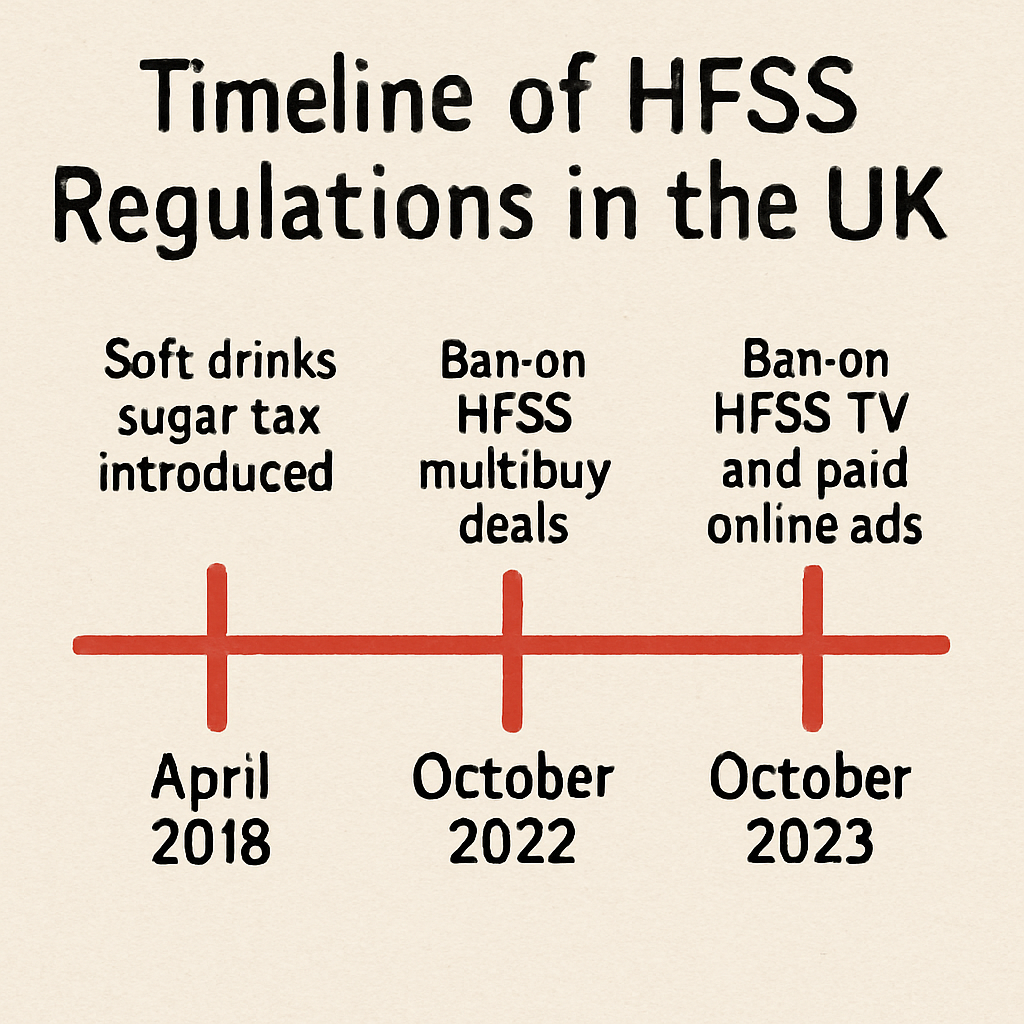
Despite complexities, the core aim remains clear—enhancing public health. The regulations serve to create environments where healthier choices are easy and appealing. By understanding this evolution, facility managers can better navigate compliance. Embracing these changes will not only meet legal requirements but also promote workplace wellness. The journey of HFSS regulations underscores their significance in shaping the future of healthy vending in the UK.
Why HFSS Compliance Matters for Office Facility Managers
For office facility managers, HFSS compliance isn’t just about following rules. It plays a crucial role in promoting employee well-being.
Employees today are more health-conscious and expect healthier options at work.
By adopting HFSS-compliant vending solutions, managers enhance workplace satisfaction. This approach supports corporate wellness initiatives and fosters a positive work culture. It sends a clear message that the company values employee health.
Compliance also impacts a company’s reputation significantly. Organisations that embrace HFSS regulations showcase a commitment to social responsibility. This can differentiate them from competitors and build trust with stakeholders.
Moreover, ignoring HFSS regulations can lead to legal and financial consequences. Ensuring compliance helps mitigate risks and avoids potential penalties. It’s essential to stay informed and proactive in adapting to these regulations.
Key reasons why HFSS compliance matters include:
- Employee Health: Improves overall employee wellness.
- Workplace Culture: Supports a positive and productive environment.
markdown
- Reputation Management: Positions the company as a responsible employer.
- Risk Mitigation: Reduces the likelihood of legal issues.
- Strategic Advantage: Aligns with growing consumer demands for healthier options.
Understanding the importance of HFSS compliance helps facility managers make informed decisions. They can then select vending solutions that align with both organisational goals and regulatory requirements. This alignment creates a win-win scenario, benefiting both employees and the company as a whole. In the long run, HFSS compliance supports business sustainability by cultivating a healthier, happier workforce.
Key HFSS Criteria: What Makes a Product Compliant?
Understanding the key criteria for HFSS compliance is vital. The regulations focus on limiting high fat, sugar, and salt content in foods. These criteria aim to reduce the consumption of unhealthy products and promote better public health.
To determine compliance, products are analysed based on their nutritional content. They need to meet specific nutritional thresholds to qualify as HFSS-compliant. These thresholds target reducing excessive amounts of fat, sugar, and salt.
Key nutritional components are scrutinised for compliance:
- Total Fat: Limits the percentage of calories from fat.
- Saturated Fat: Caps the allowable amount of saturated fat.
- Sugar: Controls both total and free sugar content.
- Salt: Sets maximum levels for sodium content.
The compliance assessment process also considers positive nutrients. These include protein, fibre, and certain vitamins that contribute to a healthier diet. Food items scoring better on these nutrients are more likely to meet compliance standards.

Facility managers must ensure that all vending products align with HFSS regulations.
This involves regular review and selection of compliant options. Collaborating with suppliers on product selection is crucial to maintain compliance.
Additionally, clear nutritional labelling is important. It helps employees make informed choices, fostering healthier eating habits. Labels need to accurately reflect the product’s nutritional information.
Adhering to HFSS criteria not only aids compliance but also supports overall wellness initiatives. By offering compliant products, workplaces can champion health and wellness. Compliance thus becomes a stepping stone to fostering a health-conscious work environment.
Incorporating these criteria into your vending selection strategy is key. Facility managers play a significant role in ensuring compliance while enhancing employee well-being. The ultimate goal is to provide vending options that are both satisfying and nourishing.
HFSS Vending UK: The 2025 Compliance Landscape
The vending landscape in the UK is evolving due to HFSS regulations. By 2025, vending machines must comply with these rules. This change aims to ensure healthier options are available in workplaces across the nation.
Compliance requires careful attention to product offerings. Vending operators must scrutinise every snack and drink. Products with high fat, sugar, and salt content need reformulation or replacement.
Vending solutions should reflect increased demand for healthy options. The shift towards nutritious snacks aligns with broader wellness objectives. Employees expect convenient choices that also support their health.
Key Compliance Considerations:
- Product Selection: Focus on low-sugar, low-fat items.
- Nutritional Information: Ensure transparent labelling.
- Vendor Collaboration: Work with suppliers to source compliant products.
Facility managers have a crucial role in this transition.
They need to work closely with suppliers. This partnership helps in maintaining an up-to-date and compliant inventory.

Adopting compliant vending solutions creates a positive workplace culture. It contributes to employee satisfaction and well-being. The provision of healthier alternatives echoes a commitment to public health goals.
As we approach 2025, continuous evaluation of vending options is essential. Staying informed about regulatory updates can guide adjustments. This proactive approach ensures long-term compliance and enhances workplace offerings.
The UK’s HFSS compliance landscape ultimately benefits everyone. While adjusting to new standards may be challenging, the focus remains on health. With the right strategies, vending solutions can thrive within this new regulatory framework.
Building a Healthy Vending Range: Product Selection Strategies
Creating a healthy vending range requires thoughtful product selection strategies. Facilities managers must be proactive and detailed. Each choice impacts both compliance and employee satisfaction.
Selecting suitable products begins with understanding nutritional profiles. It’s vital to review fat, sugar, and salt content. This assessment ensures alignment with HFSS rules compliance.
A diverse offering caters to varied tastes. Balancing snacks and beverages is key. Employees appreciate variety in their daily choices.
Successful Product Selection Tips:
- Identify Gaps: Evaluate current stock for HFSS compliance issues.
- Consult Experts: Seek guidance from nutritionists or dieticians.
- Trial Products: Test new options with small-scale rollouts.
Innovative products continue to emerge. Explore options that combine taste with health benefits. Plant-based snacks and drinks often feature prominently.
Partnering with knowledgeable suppliers enriches vending options. They provide insight into market trends. Such partnerships facilitate the introduction of unique products.
Consider employee feedback in decision-making. Engaging the workforce can refine product choices. Understanding preferences leads to a more attractive vending range.
Product Selection Do’s and Don’ts:
- Do: Prioritise low-sugar and wholegrain snacks.
- Don’t: Neglect nutritional labelling requirements.
- Do: Keep a balance between savoury and sweet items.
Incorporate energy-efficient machines to further enhance offerings. These machines align with sustainability goals. They also lower operational costs while supporting health initiatives.
Regular updates to vending assortments maintain compliance and interest. Periodically rotate or introduce new products. This strategy keeps the selection fresh and engaging.
Overall, crafting a healthy vending range is an evolving process. Facility managers should adapt to regulatory changes and employee needs. A compliant and satisfying experience benefits both the workplace environment and individual health.
Low Sugar Snacks and Healthy Vending: Meeting Employee Needs
Low sugar snacks have become a focal point in healthy vending strategies. Employees increasingly seek options that satisfy cravings without compromising health. Understanding these needs is crucial for facility managers.
Implementing a variety of low sugar snacks can significantly enhance the vending experience. Such offerings align with HFSS rules compliance and promote healthier eating habits. This shift addresses growing health awareness amongst the workforce.
To meet diverse preferences, offer an assortment of snacks. This may include nuts, seeds, and whole grain products. These options provide nutrition without excessive sugar content.
Recommended Low Sugar Snack Options:
- Nuts and Seeds: High in protein and healthy fats.
- Wholegrain Crackers: Provide sustained energy.
- Dried Fruit: A sweet choice without added sugars.

Selecting the right products involves considering popular trends. Plant-based snacks and savoury items are gaining attention. They offer nutrition and fit into several diets, making them versatile choices.
Collaboration with suppliers who specialise in healthy products is beneficial. Such partnerships can yield access to new and innovative items. Suppliers often have insights into emerging consumer preferences.
Facility managers should also incorporate employee feedback. Gathering opinions on snack selections helps tailor offerings to collective tastes. This participation fosters a sense of involvement and satisfaction among staff.
Adapting vending solutions to include low sugar snacks contributes to a healthier work environment.
It supports wellness initiatives and demonstrates a commitment to employee well-being. As a result, the workplace benefits from improved morale and productivity.
The focus on low sugar options forms part of a comprehensive approach to health. It aligns with broader public health goals and employer responsibilities. Prioritising these snacks positions a company as forward-thinking and health-conscious.
Energy-Efficient Vending Solutions for Modern Workplaces
In today’s sustainability-focused climate, energy efficiency is paramount. Office facility managers can play a crucial role by opting for energy-efficient vending machines. These machines not only save energy but also reduce operational costs.
Choosing energy-efficient vending machines aligns with both environmental and financial goals. Such choices can significantly lower electricity usage. This results in cost savings and supports corporate responsibility initiatives.
Key Benefits of Energy-Efficient Vending Machines:
- Lower Energy Consumption: Decreases operational expenses.
- Reduced Carbon Footprint: Contributes to sustainability efforts.
- Extended Machine Lifespan: Enhances long-term investment.
Advanced vending technologies incorporate eco-friendly features. LED lighting and efficient cooling systems are common. These innovations help in minimising energy wastage and maintaining product quality.
Facilities managers should collaborate with suppliers knowledgeable in energy-efficient solutions. Engaging with experts ensures that vending selections align with sustainability objectives. Such partnerships can also provide insights into cutting-edge products.
Incorporating energy-efficient vending contributes to a company’s overall green strategy. It demonstrates a commitment to sustainability, which can be attractive to environmentally conscious employees. This approach not only supports environmental goals but also enhances the company’s public image.
In conclusion, selecting energy-efficient vending machines represents a smart, forward-thinking choice. By prioritising sustainability, companies foster a responsible and modern workplace culture. This commitment not only benefits the environment but also promotes a positive, conscious corporate identity.
Collaborating with Vending Suppliers for HFSS Compliance
Achieving HFSS compliance requires a strategic partnership with vending suppliers. Their expertise plays a crucial role in navigating regulations. Trusted suppliers offer invaluable insights into compliant products.
To select the right partner, consider their experience with HFSS regulations. Ensure they have a diverse range of compliant products. This helps meet varied employee dietary preferences. A supplier with a strong network offers flexibility in product offerings.
Key Considerations When Collaborating:
- Regulatory Expertise: Ensure suppliers understand HFSS requirements.
- Product Range: Look for vendors providing diverse, compliant options.
- Commitment to Health: Prioritise suppliers promoting healthy choices.
Building a relationship based on clear communication is essential. Regularly discuss compliance updates and new product lines. This dialogue ensures alignment with evolving HFSS standards and trends.
Engagement with suppliers also opens avenues for innovation. Newer, healthier products can be introduced seamlessly. Collaborations often lead to creative vending solutions meeting both compliance and employee satisfaction.
In summary, successful compliance hinges on robust supplier collaborations. By selecting the right partner, office managers can ensure a compliant and appealing vending range. This not only meets legal obligations but also supports employee health and satisfaction.
Practical Steps to Achieve and Maintain HFSS Compliance
Achieving HFSS compliance involves a strategic, multi-step approach. Begin by comprehending the intricacies of HFSS regulations. Each rule impacts product selection and vending operations. Knowledge is your first key asset in this journey.
Next, audit existing vending machine contents. Identify products high in fat, sugar, and salt. These should be replaced with healthier alternatives. Such swaps facilitate compliance with HFSS regulations.
Select products that meet HFSS criteria. Focus on low sugar snacks and balanced nutritional profiles. Research and testing new products ensures alignment with health goals.
Steps for Achieving Compliance
- Understand Regulations: Study HFSS guidelines thoroughly.
- Audit Current Offerings: Identify non-compliant products quickly.
- Product Selection: Choose snacks that meet HFSS nutritional standards.
Engage suppliers about compliant product lines. Continuous dialogue ensures access to the latest HFSS-compliant snacks.
Ongoing monitoring of vending operations maintains compliance over time. Track product performance and employee feedback regularly. Adapt offerings based on data insights and consumer demands.
Maintaining Compliance
- Vendor Communication: Regular updates on product lines.
- Monitoring: Keep up with product trends and compliance changes.
- Adaptation: Use feedback to refine offerings continually.
Training staff about HFSS regulations supports implementation. Educated employees better manage vending operations. This fosters a culture of health and compliance within the workplace.
Promoting healthy choices is a cornerstone of HFSS compliance. Educate employees about the benefits of low sugar options. Encourage healthy eating habits through well-designed informational campaigns.
These practical steps pave the way for a compliant vending strategy. Adhering to HFSS rules creates a healthier workplace. Employee satisfaction and well-being will reflect this commitment to health-focused vending solutions.
Overcoming Common Challenges in HFSS Vending Implementation
Implementing HFSS-compliant vending solutions presents various challenges. Adapting to regulatory changes requires flexibility and foresight. Facility managers must anticipate obstacles to ensure a smooth transition.
One major challenge is aligning product offerings with employee preferences. Employees have varied taste profiles. Balancing this diversity while adhering to HFSS rules requires thoughtful curation. Introducing new snack options should be gradual and well-communicated.
Managing vending machine inventory for compliance can also be daunting. Close collaboration with suppliers is necessary. Vendors should provide consistent supply and updated compliant product lists. This partnership reduces stress and potential pitfalls.
Common Challenges and Solutions
- Diverse Preferences: Gradually introduce new snacks with clear communication.
- Stock Management: Collaborate closely with suppliers for regular supply updates.
- Regulatory Adaptation: Stay informed about HFSS rule changes for timely adjustments.
Operational cost concerns may arise as another obstacle. The shift to healthy vending might initially seem costly. Facilities managers should weigh long-term benefits against short-term expenses. Healthier choices can lead to decreased absenteeism and increased productivity, ultimately offsetting costs.
Finally, fostering employee acceptance is crucial. Engaging staff in the transition process ensures smoother implementation. Conduct taste tests or surveys to gather feedback on new products. This involvement builds a sense of ownership and acceptance.
Overcoming these challenges is possible with strategic planning and open communication. The result is a healthier, more satisfied workforce. A successful HFSS vending transition enhances company reputation and well-being.
Employee Engagement: Promoting Healthy Choices in the Workplace
Engaging employees is critical to promoting healthy choices. Active involvement increases acceptance and enthusiasm for healthier vending options. Communication strategies should focus on informing staff about the benefits of HFSS compliance.
Workshops or informational sessions can raise awareness. These events present opportunities to share the health benefits of low sugar snacks and HFSS-compliant products. Employees can learn about nutrition and make informed choices.
Feedback mechanisms further enhance engagement. Encourage employees to express preferences and experiences with new vending products. This feedback helps refine offerings and foster a supportive environment.
Ways to Promote Healthy Choices
- Workshops and Sessions: Educate employees about nutrition and HFSS benefits.
- Feedback Opportunities: Gather employee insights for better product selection.
- Collaborative Initiatives: Involve staff in taste tests and decision-making.
Interactive activities like taste tests also play a role. These activities allow employees to sample new products before they officially become part of the vending range. Such experiences create excitement and a sense of involvement.
Collaborative initiatives enhance employee buy-in. Forming a wellness committee can involve employees in decision-making. Team members act as ambassadors, promoting HFSS regulations and healthy snacking choices.
Creating a culture of health through these strategies fosters a positive workplace atmosphere. Engaged employees who feel heard are more likely to embrace change.
Ultimately, this leads to improved satisfaction and a stronger sense of community.
Monitoring, Reporting, and Continuous Improvement
Effective vending solutions require consistent monitoring and reporting. These practices ensure that HFSS compliance is maintained over time. Facility managers should employ a system to track vending product inventory regularly.
Assessment tools can evaluate whether products continue to meet HFSS standards. Monitoring nutritional content ensures that healthier choices remain available. If a product no longer aligns, quick adjustments can be made to the selection.
Key Steps for Continuous Improvement
- Regular Audits: Conduct periodic checks to ensure compliance.
- Data Analysis: Utilise purchasing data to evaluate trends.
- Employee Surveys: Collect feedback on vending satisfaction.
Reporting helps highlight trends in employee preferences. By analysing purchasing data, managers can identify popular items.
This insight allows for proactive adjustments and further enhances the vending experience.
Continuous improvement involves being responsive to feedback and data. Facility managers should stay informed about updates to HFSS regulations and adjust offerings accordingly. Engaging in ongoing training will further empower managers to adapt swiftly.
As vending needs evolve, a structured approach ensures alignment with HFSS goals. Through vigilant monitoring and reporting, managers can foster a dynamic, health-focused vending environment. This consistent effort leads to sustained employee satisfaction and compliance.
The Future of Healthy Vending: Trends and Innovations
The landscape of vending is set for transformation. In the coming years, innovation will be pivotal in meeting HFSS compliance. Technological advancements will streamline vending operations, enhancing user experiences.
Smart vending machines are at the forefront of this change.
These devices are equipped with IoT capabilities, which allow real-time inventory tracking. This technology ensures vending machines are stocked with compliant products and reduces waste.
Emerging Vending Trends
- Customised Selections: Tailoring options based on employee preferences.
- Contactless Payments: Enhancing convenience and hygiene.
- Sustainability Features: Introducing eco-friendly materials and energy efficiency.
As demand for healthy snacks grows, vending machines will integrate more nutritious options. In addition, data analytics will play a critical role in refining product offerings. By analysing sales and usage patterns, facility managers can better align with employee preferences.
Beyond health, sustainability will be a major focus. Eco-friendly materials and energy-efficient technology will reduce the environmental impact of vending. Embracing these trends will support corporate sustainability goals and appeal to environmentally conscious employees.
In conclusion, staying ahead in the vending industry involves a commitment to innovation. By utilising new technologies, facility managers can offer compelling, health-focused solutions that align with both HFSS regulations and consumer demand.
Conclusion: Creating a Compliant and Satisfying Vending Experience
Embracing HFSS rules compliance is crucial for office facilities in the UK. By 2025, ensuring vending machines align with these standards will enhance workplace health. This shift presents both challenges and opportunities.
Facility managers play a vital role in this transition. By carefully selecting compliant products, they can cater to diverse employee needs. Offering a range of healthy snacks can boost morale and satisfaction.
Collaborating with reputable vending suppliers is key. These partnerships ensure access to up-to-date, compliant products. Together, you can achieve a seamless transition towards healthier vending solutions.
In the long term, aligning with HFSS regulations will benefit both employees and organisations. A strategic focus on health-conscious offerings will foster a positive company culture. Ultimately, this commitment to compliance supports a healthier, more productive workplace environment.