
Navigating the complexities of water system compliance can be daunting for facility managers. WRAS installation standards are crucial for ensuring safe and efficient water systems in the UK. These standards help prevent contamination and ensure the safety of water coolers and boilers.
Understanding WRAS regulations is essential for maintaining compliance and operational efficiency. Facility managers must prioritise WRAS certification to enhance workplace satisfaction and safety.
Energy-efficient water solutions not only save costs but also contribute to sustainability. Regular maintenance and adherence to WRAS standards ensure the longevity and reliability of water systems.
This guide will provide a comprehensive checklist for WRAS-compliant installations. By following these guidelines, facility managers can ensure safe and reliable water access for all employees.
Understanding WRAS: What Facility Managers Need to Know
Facility managers must grasp the critical role of WRAS in water system safety. The Water Regulations Advisory Scheme (WRAS) ensures that water fittings comply with UK regulations.
WRAS helps prevent backflow and contamination, safeguarding public health. Knowing WRAS standards is vital for choosing the right products and systems.
Key aspects facility managers should focus on include:
- Compliance with WRAS regulations for installations.
- Use of WRAS-approved components and materials.
- Regular system inspections and maintenance.
Facility managers also need to stay updated on WRAS changes and technologies. This knowledge aids in maintaining compliance and optimising water system performance. Adhering to WRAS standards leads to efficient water use, reducing waste and cost.
Ensuring compliance also enhances workplace satisfaction, promoting a safe and reliable environment. Implementing these standards is a wise investment in operational excellence and employee well-being.
Why WRAS Certification Matters for Water Coolers and Boilers
WRAS certification is a mark of quality and safety in water-related products. Certified products comply with UK standards, safeguarding user health. This is crucial for water coolers and boilers where water safety is essential.
Certification benefits include:
- Assurance of contamination-free water.
- Trustworthy performance and durability.
- Compatibility with other WRAS-compliant systems.
With WRAS-certified products, facility managers can avoid costly issues such as system failures and waterborne illnesses. These products undergo rigorous testing to meet high safety and performance standards. Compliance enhances the reliability of water systems and equipment.
Adopting certified systems contributes to a healthier and more efficient workplace. Employees benefit from access to safe, reliable water, boosting their satisfaction and comfort. Investing in WRAS-certified coolers and boilers reflects a commitment to quality and regulatory compliance. It’s a practical choice for facility managers prioritising operational integrity.
Key WRAS Installation Standards for Water Coolers
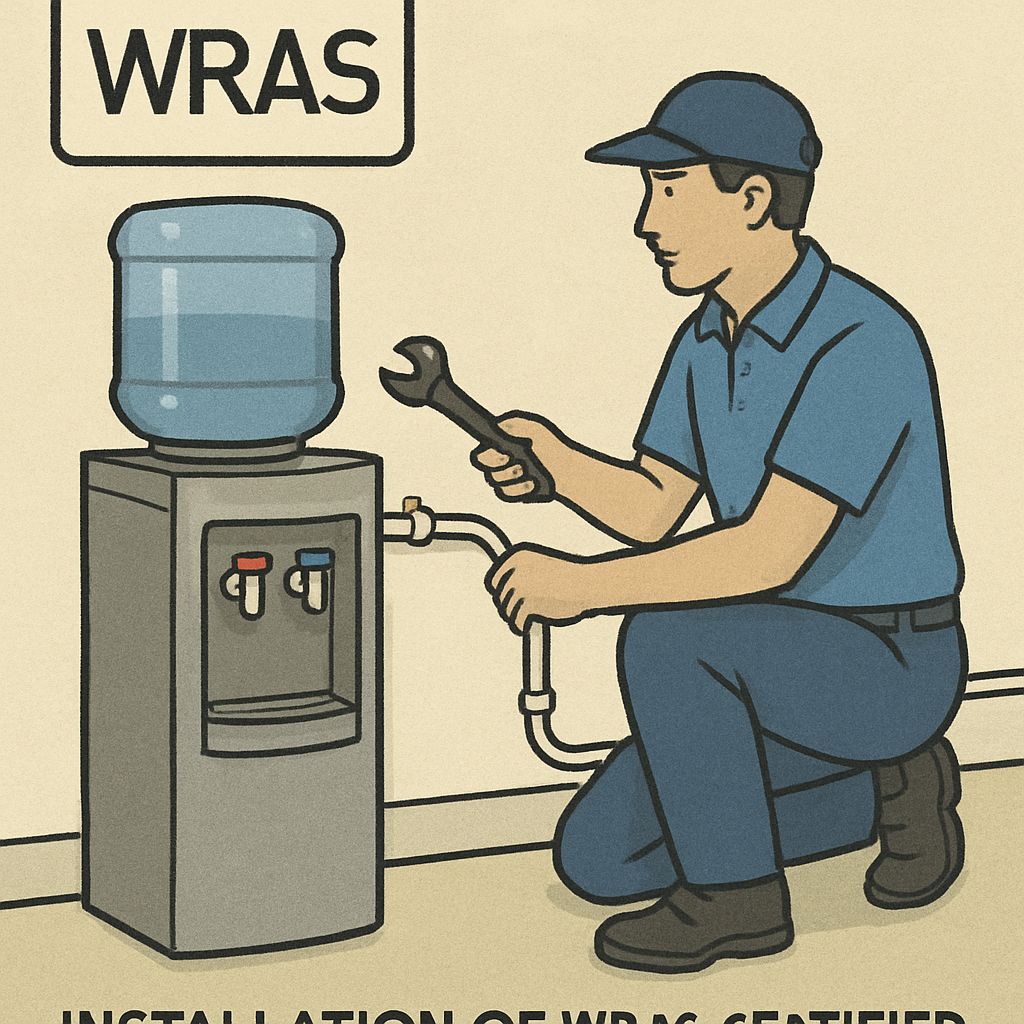
For water coolers, adhering to WRAS installation standards ensures safety and compliance. These standards govern the setup and operation of water coolers in the UK. Non-compliance could lead to water contamination and health risks.
Facility managers must focus on several aspects during installation. Key WRAS guidelines include:
- Use of WRAS-certified fittings and materials.
- Correct piping to prevent contamination.
- Installation by certified professionals.
Adhering to WRAS standards helps avoid cross-contamination. Backflow prevention is also crucial to maintain water purity. The right fittings and materials play an essential role.
Regular inspections are necessary to ensure ongoing compliance. Facility managers should maintain records of installation and maintenance activities. This documentation aids in verifying compliance and addressing future issues.
Incorporating these standards into everyday operations enhances workplace safety. Employees can access clean, reliable water, contributing to their well-being. A compliant installation also supports the long-term operational efficiency of water coolers. It exemplifies a commitment to maintaining high standards in workplace amenities.
WRAS-Compliant Water Boiler Installation in the UK
Ensuring a WRAS-compliant installation for water boilers is essential for safety and efficiency. This compliance guarantees that installations prevent contamination and maintain water quality.
When dealing with water boilers, attention to detail is key. Facility managers should focus on:
- Employing WRAS-certified materials and equipment.
- Implementing correct backflow prevention methods.
- Ensuring installations meet specific WRAS guidelines.
WRAS standards help in preventing back-siphonage and cross-connections. These measures are vital to maintaining safe, potable water. Moreover, using approved materials ensures long-lasting performance and reliability.
Certified professionals should conduct the installation and regular checks. This practice safeguards compliance and helps prevent common issues. Records of installations and inspections are crucial for ongoing compliance and audits.
By adopting these best practices, facility managers support a safe and healthy work environment. Ensuring WRAS compliance demonstrates a commitment to quality and regulatory adherence. It contributes significantly to employee satisfaction and operational integrity. Integrating WRAS standards into day-to-day operations reflects a proactive approach to facility management.
Water Cooler Sanitisation UK: Hygiene and Maintenance Best Practices
Maintaining the hygiene of water coolers ensures both safety and satisfaction in any workplace. Regular sanitisation prevents contamination and protects employee health. It’s a crucial component of facility management responsibilities.
In the UK, adherence to best practices for water cooler sanitisation is essential. Facility managers should develop a routine maintenance plan, focusing on:
- Regular cleaning of dispensers and drip trays.
- Thorough sanitisation of internal parts.
- Scheduled filter changes as per the manufacturer’s recommendations.
Water quality and safety depend on consistent upkeep. Using approved sanitisation products can enhance both effectiveness and compliance. It’s important to prioritise both routine cleaning and deeper sanitisation efforts.
Facility managers should document sanitisation activities to ensure accountability. This practice supports ongoing compliance checks and aids in timely maintenance. An organised schedule can also prevent lapses that lead to health risks. Ultimately, maintaining optimal hygiene levels boosts employee confidence in workplace facilities.
Filter Change Schedule: Staying Compliant and Efficient
Implementing a reliable filter change schedule is pivotal for maintaining water quality. Regular filter replacements ensure optimal performance and water safety. Facility managers must remain vigilant about timely changes to stay compliant.
A well-planned schedule safeguards against contamination and enhances longevity.
Consider these key points when setting up a filter change routine:
- Follow the manufacturer’s guidelines for filter lifespan.
- Monitor water quality for signs of deterioration.
- Keep records of all changes and maintenance activities.
Filters that are not changed on time lose efficiency and become breeding grounds for bacteria. This not only risks health but can also lead to costly repairs. Staying proactive with a filter schedule ensures continuous cleanliness and reliability. In turn, this commitment to maintenance helps uphold WRAS standards and boosts workplace satisfaction.
WRAS Regulations: Ongoing Compliance and Record-Keeping
Staying compliant with WRAS regulations requires constant attention and diligence. Facility managers must understand that WRAS compliance isn’t a one-time task. It’s an ongoing process needing active engagement.
Thorough record-keeping is essential for managing compliance effectively.
Detailed logs help track inspections, maintenance activities, and product installations. Keeping these records ensures quick access to compliance history.
Consistency in applying WRAS standards is key to preventing issues. A proactive approach involves regular audits to confirm adherence. This effort provides confidence in system safety and reliability.
Consider these strategies to streamline ongoing compliance:
- Schedule regular inspections and reviews.
- Maintain a centralised system for record storage.
- Engage with WRAS-certified professionals for advice.
By following these practices, facility managers can avoid pitfalls. This methodical approach not only assures compliance but also supports operational excellence.
Choosing WRAS-Approved Products and Certified Installers
Selecting WRAS-approved products is crucial for safety and efficiency. These products have undergone rigorous testing. They meet stringent standards for water quality and safety.
Certified installers play a vital role in maintaining compliance. They have the expertise to ensure installations adhere to WRAS guidelines. Choosing the right professionals minimises risks and maximises system performance.
Facilities managers should focus on these key considerations:
- Verify product WRAS certification.
- Check installer credentials and experience.
- Opt for professionals familiar with the latest WRAS updates.
by Hakii official (https://unsplash.com/@hakii)
By choosing approved products and certified installers, facilities managers can ensure reliable water system solutions. This strategic approach enhances workplace satisfaction by providing safe and compliant water access.
Common Pitfalls and How to Avoid Them
Navigating WRAS compliance can be challenging. Many facilities managers often overlook key aspects, leading to non-compliance. This can result in costly fixes and potential safety concerns.
To avoid these pitfalls, focus on prevention:
- Schedule regular maintenance inspections.
- Keep updated on WRAS regulation changes.
- Train staff on WRAS compliance and best practices.
By being proactive and informed, facility managers can maintain compliance. This results in efficient operations and a safe work environment, promoting peace of mind for everyone involved.
WRAS Installation Checklist for Facility Managers
A well-planned WRAS installation checklist is essential. It ensures that all water systems comply with standards and function efficiently. This checklist helps facility managers avoid common pitfalls in water system installations.
Key checklist items include:
- Verify WRAS certification for all installations.
- Conduct thorough inspections before and after installation.
- Ensure all fittings meet WRAS standards.
- Maintain detailed records of compliance and maintenance activities.
By following this checklist, facility managers can enhance system reliability. It’s crucial for minimising risks and optimising water management in the workplace.
Conclusion: Enhancing Workplace Satisfaction Through WRAS Compliance
Adhering to WRAS standards is not just about compliance; it’s about providing a safe workplace. High-quality water systems enhance employee satisfaction and well-being. They contribute to a healthier and happier work environment.
Moreover, WRAS compliance demonstrates a commitment to quality and responsibility. It signals to employees that their health and safety are a top priority. This can boost morale and create a more productive workforce.
Facility managers who prioritise WRAS standards lay the foundation for operational excellence. Beyond meeting regulations, they foster trust and reliability. Such efforts improve overall workplace satisfaction and safety, influencing employee retention positively.